Online physical therapy · Ankle Pain
Work one-on-one with a physical therapist by video and follow a plan built for your ankle, at home, without the drive to a clinic.


Some ankle pain needs a medical exam the same day. Go to urgent care or the emergency room if your ankle pain comes with:
If anything like this comes up during your plan, your physical therapist will tell you to get it checked.
A short follow-along exercise from Dr. Alex, the kind our ankle plans start with. We’ll email it to you right away.
For most ongoing ankle pain, treatment is movement: getting the ankle to bend again, then building the strength and balance it needs for your day. Your plan usually moves through four stages.
Movement your ankle tolerates, and short-term changes to how far you walk, what you wear and how you train, so it can settle without you stopping everything.
Bending the ankle up and down again, a little at a time, so stairs, squats and walking downhill stop feeling stiff.
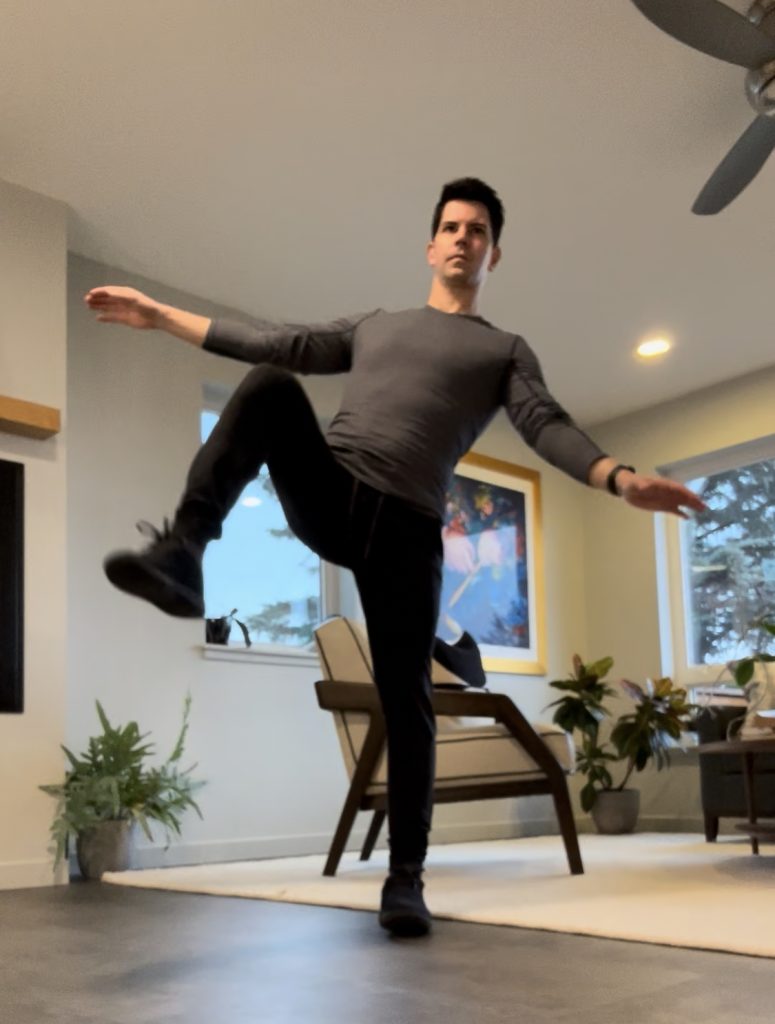
Your calf, foot and hip, plus standing on one leg, so the ankle can handle longer walks, uneven ground and quick changes of direction.
Walking, running, hiking or your sport, built back up step by step. Then a routine you can keep on your own.

At your first visit (the Body Assessment), your physical therapist asks how the pain started and what makes it better or worse, then watches you move by video: walking, rising onto your toes, squatting, stepping down from a stair and balancing on one leg. We check your back and hip too, because pain around the ankle can start higher up. A physical therapist doesn’t diagnose disease; what we find is which movements your ankle tolerates now, which it doesn’t yet, and how to build from one to the other.
Pain and stiffness at the back of the heel, often after adding miles, hills or jumping too quickly.
Ligaments that healed loose, or balance that never came back, so the ankle keeps aching or giving way.
Wear in the ankle joint, often years after an injury, with stiffness that's worst after rest.
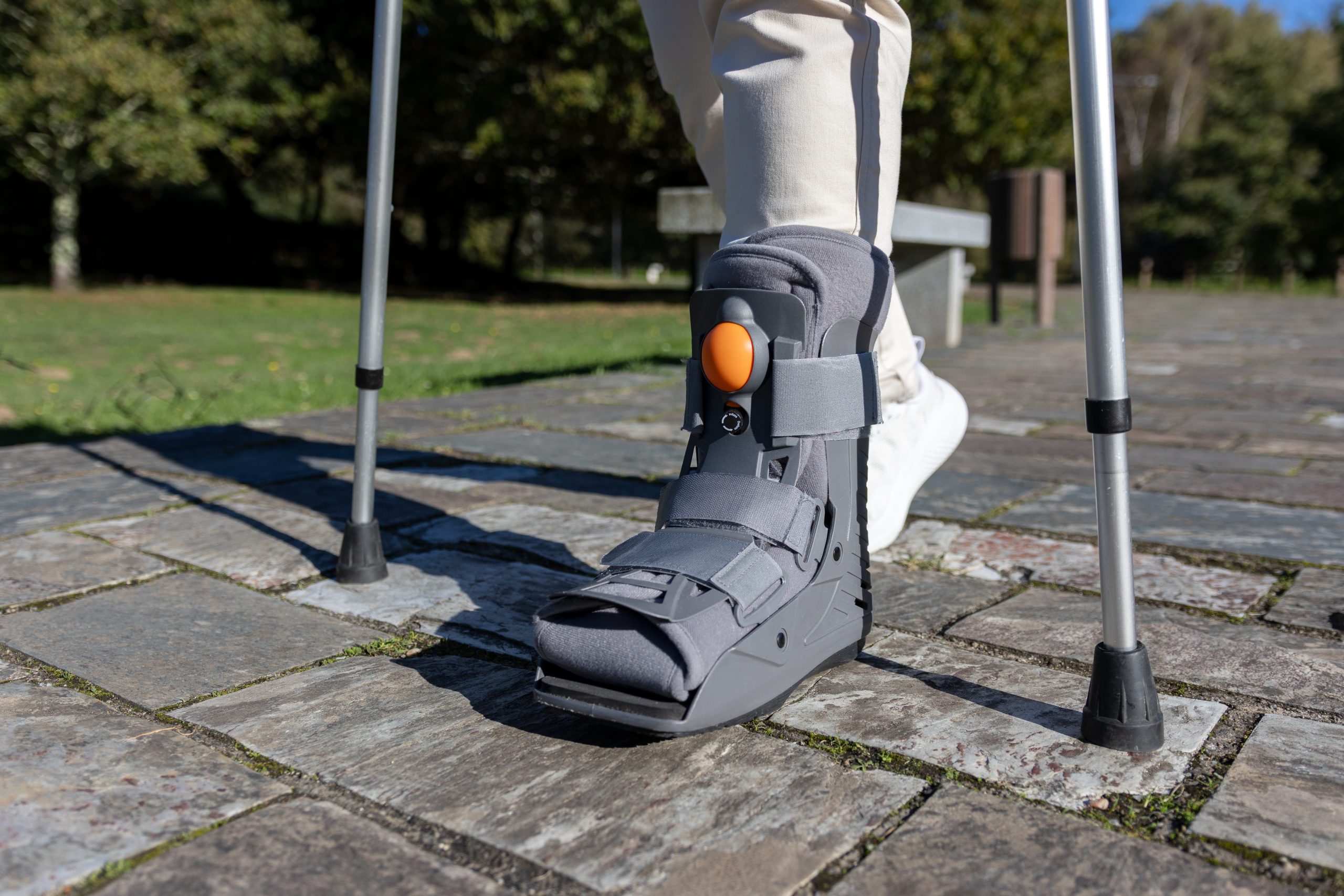
Stiffness and weakness left over from weeks in a cast, boot or on crutches.
Lots of running, standing or walking on hard ground, irritating the tendons along the inside or outside of the ankle.
Muscles that tire before the day is done, so the ankle takes more of the load. Exercises for strong feet
It depends on what’s behind it. Many people with ongoing ankle pain notice changes within a few weeks once the daily load suits the ankle. Tendon pain, like Achilles pain, usually takes a few months of steady strengthening, and an ankle that is stiff after surgery, a fracture or arthritis can take longer.
Your 8-week plan starts from where you are and changes at every check-in. Every ankle is different, so we won’t promise a timeline, but we will tell you honestly what we see.
Recovering from Achilles surgery? Start here: Achilles surgery recovery timeline: the first 4 months

$489 for 8 weeks, about $61 a week

No referral needed. HSA and FSA accepted. Less than the cost of two traditional clinic visits.
Step 1
Talk about what hurts and what you want to get back to.
Step 2
30 minutes by video, from home, in clothes you can move in.
Step 3
Daily exercises in the app, starting the next day.
Step 4
Short video visits whenever something changes.

Dr. Alex is the physical therapist behind motivPT. He works with you by video, watches how you move, and adjusts your plan as you go. Meet Dr. Alex

For most ongoing ankle pain, the treatment is exercise and education, and both can be delivered by video. Your therapist watches you walk, balance and rise onto your toes on camera, adjusts each exercise and changes the plan as you improve.
No referral is needed. Start with a free 15-minute consult.
Yes. motivPT accepts HSA and FSA cards.
Most ankle programs start with a wall, a step and a chair. Your plan includes a FitKit with the equipment it needs.
Physical therapy for Achilles pain usually centers on strengthening the calf and tendon at a load they tolerate. Your therapist sets that load, checks how the tendon feels the next day, and adjusts from there.
Yes, once your surgeon or doctor has cleared you for physical therapy. Your plan follows their instructions on how much weight to put through the leg, then builds range, strength and walking from there.
Short rest after a flare can help, but long rest tends to leave an ankle stiffer and weaker. Movement at a level that doesn't flare the pain is usually better, and your therapist shows you where that level is.
Colorado, Michigan, Minnesota and Wisconsin.
Who we help: adults 60 and older · families helping a parent · recovery after surgery
Book a free 15-minute consult. We’ll ask what’s going on and tell you honestly whether online PT is a good fit.
Seeing patients in Colorado, Michigan, Minnesota and Wisconsin.